 KSA
KSA
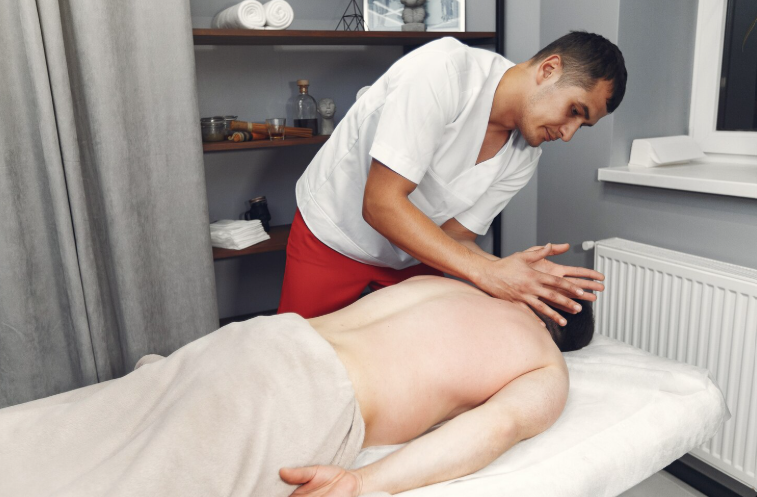
You are at the booking stage. You know you need a massage. What you are less certain about is which one. The question of deep tissue vs Swedish massage comes up constantly, and the answer is not as simple as “one is stronger than the other.” Each treatment is built around a different purpose. Choosing based on that purpose rather than on general preference produces a significantly better experience. This guide breaks down every practical difference between the two and gives you a clear decision framework for your specific situation, before you call the salon.
The Core Difference: Purpose Determines Everything
Before comparing techniques, understand what each massage is designed to accomplish.
Swedish massage is designed for full-body relaxation. It works systematically across all major muscle groups using rhythmic, flowing strokes to ease surface tension, support circulation, and bring the body into a state of physical calm. It is the most widely performed massage style globally and what most people picture when they think of a classic spa treatment.
Deep tissue massage is designed for targeted therapeutic work. Slower, more deliberate pressure is applied to reach the deeper layers of muscle and connective tissue. The goal is not broad relaxation but the release of chronic tension, fascial adhesions, and restricted movement in specific areas of the body.
The distinction matters because clients frequently arrive expecting one experience and receive something that does not match their need. Someone who books Swedish hoping to address months of accumulated back tension may find the session does not go deep enough. Someone who books deep tissue expecting to feel completely restored may find the pressure uncomfortable and the 24-hour soreness unexpected.
Side-by-Side Comparison
Category | Swedish Massage | Deep Tissue Massage |
Primary purpose | Full-body relaxation | Targeted therapeutic tension release |
Pressure level | Light to medium | Medium to firm |
Core techniques | Long gliding strokes, kneading, tapotement | Sustained pressure, slow friction, cross-fibre strokes |
Area of focus | Whole body, every region | Specific areas of chronic tension |
Sensation during the session | Flowing, rhythmic, comfortable throughout | Productive discomfort in problem areas |
Post-session feeling | Calm, relaxed, possibly drowsy | Relieved but possibly mildly sore for up to 48 hours |
Best for | Stress relief, relaxation, and first-time clients | Chronic tension, restricted movement, and postural habits |
Pre-event suitability | Ideal: no after-effect | Not ideal within 48 hours of a major event |
Recommended frequency | Every 2 to 3 weeks | Every 2 to 4 weeks, depending on tension level |
Suitable for first-timers | Yes, strongly | Yes, though Swedish is easier as a starting point |
Choosing Based on Your Current Situation
You Have Been Desk-Bound for Weeks
The right choice depends on what you want from the session.
For overall fatigue and surface tension across the body: Swedish massage addresses the physical weariness and general tightness that builds from extended desk work without requiring you to tolerate intense pressure.
For the specific postural tension in the lower back and shoulders that has built structurally, deep tissue reaches the layers that have adapted to sustained desk posture and applies the pressure needed to begin releasing them.
Many therapists naturally combine both approaches in a single session when a client presents with desk-related tension. Swedish strokes warm the whole body while deep tissue techniques target the problem areas specifically.
You Are Struggling to Switch Off From Work
Choose Swedish massage. The rhythmic, continuous nature of Swedish strokes activates the body’s physical relaxation response more directly than deep tissue work, which requires the client to stay present and communicate through moments of more intense pressure. For clients whose primary goal is mental and physical decompression, Swedish is the appropriate tool.
You Have a Specific Knot or Area of Chronic Tightness
Choose deep tissue, focused on that area. If you can identify the location of the tension, deep tissue is the right approach. Sustained directional pressure over a course of sessions produces a noticeable and lasting change in how specific problem areas feel and move.
You Are Training Regularly and Feeling the Accumulation
For the 24 hours immediately after intense physical training, Swedish massage supports recovery and circulation without putting additional demand on already fatigued muscles. Deep tissue is better suited to the chronic tension that builds from repetitive training patterns over weeks and months, not for the acute fatigue of a single hard session.
You Have an Event in the Next 48 Hours
Choose Swedish. Deep tissue sessions can result in mild muscular soreness for 24 to 48 hours after the appointment. This is normal and passes, but it is not ideal timing before a wedding, formal event, or important occasion. Swedish produces no physical after-effect that would interfere with the following day.
If you are exploring broader body wellness options alongside massage, the Brazilian fit firming massage is another treatment worth considering during your visit.
Can You Combine Both in One Session?
Yes. Many professional therapists combine elements of both in a single session without labelling it explicitly. A session that uses the Swedish technique to warm and relax the whole body before applying deep tissue pressure to specific problem areas is a common and effective approach.
To make this work, communicate clearly before the session begins:
- Where do you feel the most significant tension
- Whether you prefer lighter or firmer pressure as a baseline
- Any areas to avoid, such as recent injuries or sensitive joints
- Whether your primary goal is relaxation with targeted work, or purely therapeutic release
A skilled therapist will calibrate their approach throughout the session based on this information and on your feedback as the massage progresses.
The Quick Decision Summary
Book Swedish if:
- Your goal is relaxation and stress relief
- You are new to massage treatment
- You have an event within 48 hours
- You want full-body coverage with no specific focus area
- You prefer light to medium pressure throughout
Book deep tissue if:
- You have a specific area of chronic tension or tightness
- You have postural habits from sustained desk work that have compounded over months
- You are comfortable with firm pressure and a possible 24 to 48-hour mild soreness window
- You have a reduced range of motion in a specific area from training or habitual movement patterns
If you are still genuinely unsure, book a Swedish session and ask your therapist to include slightly firmer work on the areas of most tension. This is the lowest-risk entry point and gives you a basis for deciding whether deeper pressure is right for your next appointment.
Browse the complete range of massage and wellness services at Tips & Toes to plan your booking. You can also add eyelash extensions or nail care essentials to make the most of your salon visit.
What to Tell Your Therapist Before the Session
The more information your therapist has before beginning, the more useful the session will be. Come prepared to share:
- Specific areas of tension or discomfort, including how long they have been present
- Any recent injuries, even minor ones
- Your current physical activity level and type
- Pressure preferences: lighter, medium, or firm as a starting point
- Whether this is your first professional massage or part of a regular practice
A brief conversation before the session begins makes a material difference in the outcome. Do not skip it.
If you are combining your massage with hair care, explore hair services keratin to add a smoothing treatment to your salon visit.
Frequently Asked Questions
Q1. Is deep tissue massage painful?
It can feel intense in areas of significant tension. It should not feel sharp or unbearable. Communicate with your therapist throughout if the pressure needs adjusting.
Q2. How long does soreness last after a deep tissue massage?
Mild soreness for 24 to 48 hours is normal, particularly after the first session or after working on areas with significant accumulated tension.
Q3. Can first-time clients book a deep tissue massage?
Yes, though Swedish is often a more comfortable starting point. Discuss your experience level and pressure tolerance with your therapist before beginning.
Q4. How often should I get a Swedish massage for maintenance?
Every two to three weeks is a commonly recommended interval for regular relaxation and stress management.
Q5. Can a therapist combine Swedish and deep tissue in one session?
Yes. This is a common and effective approach. Communicate your goals before the session begins, and your therapist will structure the session accordingly.
Q6. Which massage is better for improving sleep?
Many clients report improved sleep after a Swedish massage due to the deep physical relaxation it produces. Deep tissue sessions can also support sleep once initial post-session soreness has passed.